Foresters
Overview
Foresters manage and protect forest lands for economic, recreational, and environmental purposes. They assess timber value, plan sustainable harvesting, and develop conservation strategies to protect wildlife habitats and water quality. Modern foresters use GPS technology, GIS mapping, and environmental monitoring tools to make data-driven decisions. This career combines outdoor work with scientific knowledge and offers opportunities in government agencies, private companies, and environmental consulting.
Did you know?
To become a Forester, consider pursuing a Bachelor's degree in Forestry, Environmental Science, or Natural Resource Management at universities like ANU or Melbourne. Some positions may accept related qualifications in Biology or Geography with additional forestry training.
At a Glance
$82,000 Avg/yr
Median Wage
Stable
Growth
Monitoring
Top Skill
Key Responsibilities
- Manages forest resources to maximise their long-term commercial, recreational and environmental benefits for the community
- Studies the propagation and culture of forest trees, methods for improving the growth of stock, and the effects of thinning on forest yields
- Prepares plans for reforestation and devises efficient harvesting systems
- Investigates, plans and implements management procedures to cope with the effects of fires, floods, droughts, soil erosion, insect pests and diseases
Career Considerations
Educational Pathways in Australia
To become a Forester, consider pursuing a Bachelor's degree in Forestry, Environmental Science, or Natural Resource Management at universities like ANU or Melbourne. Some positions may accept related qualifications in Biology or Geography with additional forestry training.
Work Environment and Skills
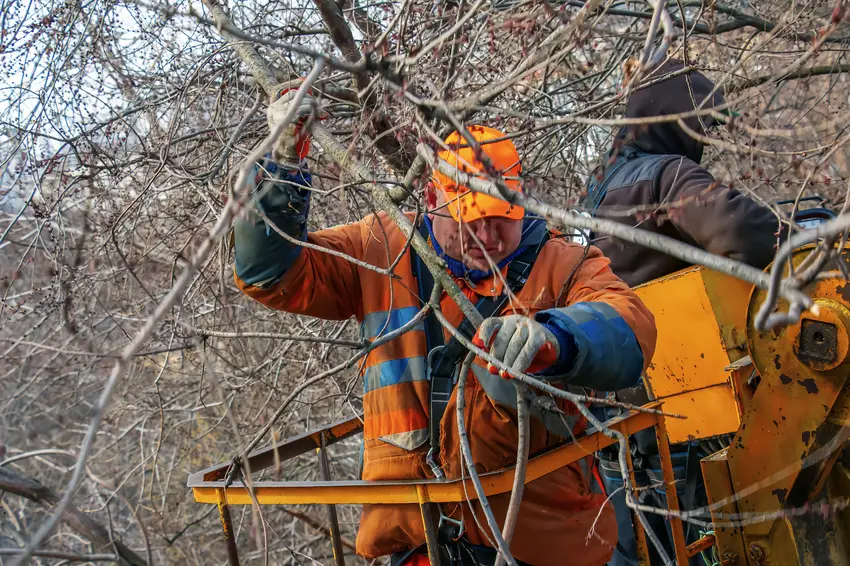
Forestry work involves significant outdoor activities in various weather conditions and remote locations. Strong physical fitness, problem-solving skills, and environmental awareness are essential for success in this field.
Career Opportunities in Australia
Employment opportunities exist with state forestry departments, Parks Australia, private timber companies, and environmental consulting firms. The growing focus on sustainable land management and climate change creates increasing demand for qualified foresters.